10 Best Tarot Cards for a Yes Answer (And What They Really Mean)
Ask a tarot deck a yes-or-no question and most of its 78 cards will hedge. A handful won’t. These are the best tarot cards for a yes answer, ranked by how hard each one commits, along with the catch that even the sunniest card carries.
How this ranking works
Three things decided the order. First, how consistently a card reads as positive across the major traditions: A. E. Waite’s own card notes, the Golden Dawn material he drew on, and the modern yes/no lists readers actually use. Second, how gracefully it fails when it turns up reversed. A true yes card should degrade to “not yet” rather than flip to “no”. Third, how widely it applies. A card that only says yes to romance ranks below one that says yes to romance, money and work.
The imagery here refers to the Rider-Waite-Smith deck, because that is the one most people own. In 1909 Waite commissioned Pamela Colman Smith to produce a deck with appeal to the world of art, and the result, published by William Rider & Son of London, has endured as the world’s most popular 78-card tarot. It was the first to include full pictorial scenes for the Minor Arcana pips, which is why a card like the Ten of Cups can carry so much meaning on its own. The Victoria and Albert Museum puts the number of copies in circulation at more than 100 million. Smith was paid a flat fee for the work.
Waite’s companion text matters too. The Pictorial Key to the Tarot was released in 1910, dated 1911, following the deck’s success and his unillustrated 1909 text, The Key to the Tarot. His divinatory lists are terse, occasionally strange, and still the baseline for what each card “officially” means. They turn up throughout the ranking below.
The 10 best tarot cards for a yes answer, ranked
1. The Sun
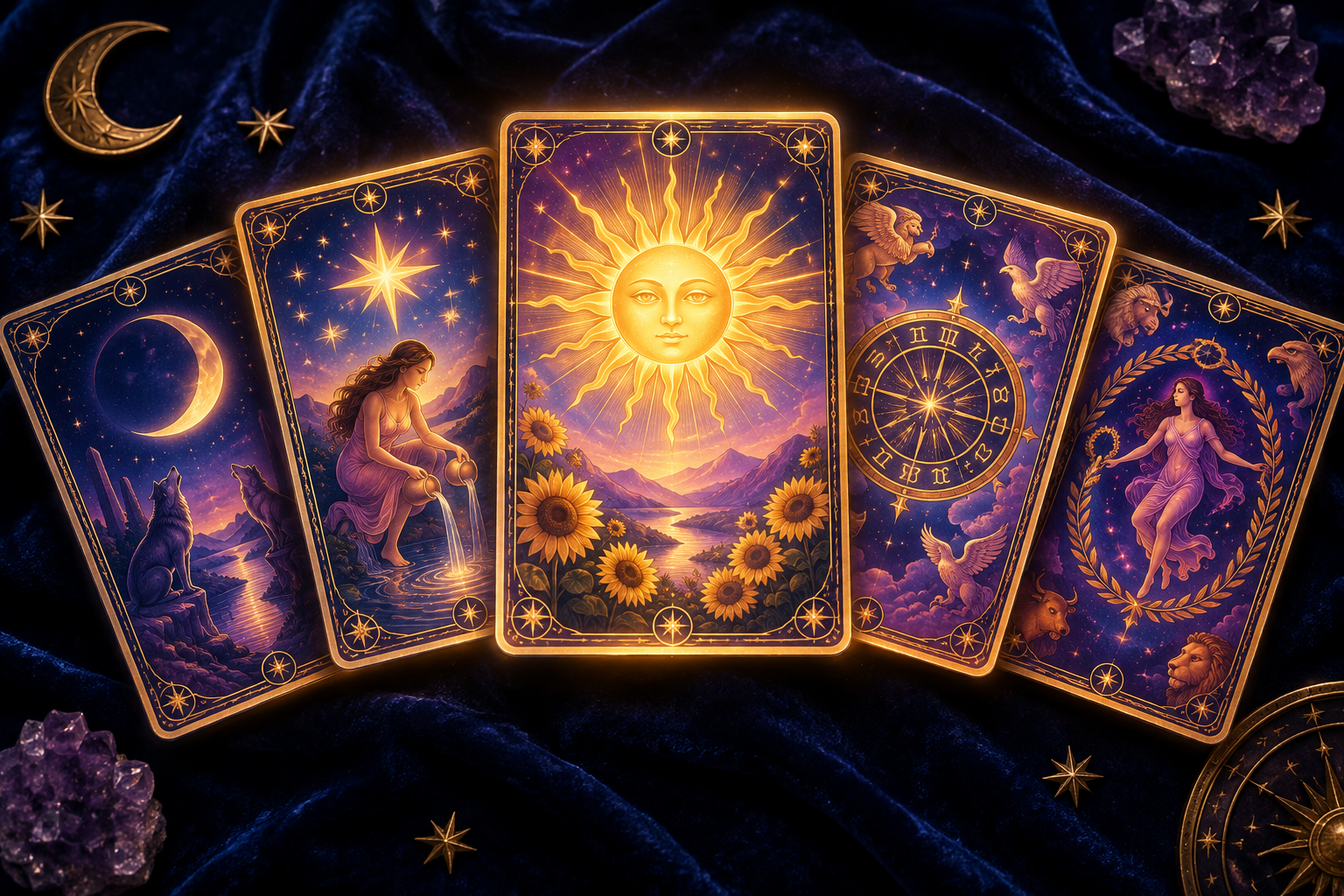
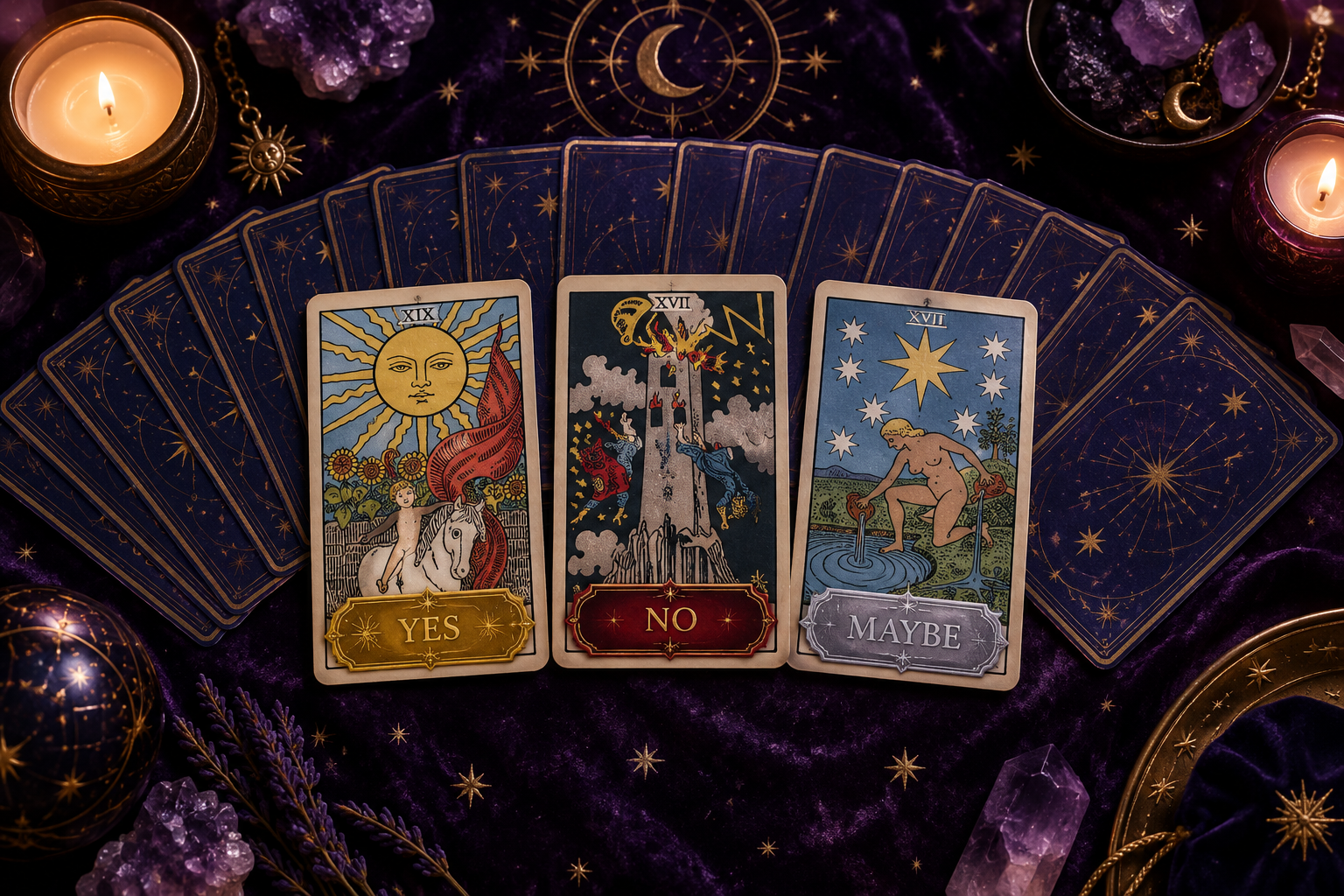
No contest. The Rider-Waite-Smith Sun shows a radiant sun over a naked child riding a white horse, with sunflowers blooming behind them. There is no shadow anywhere on the card, and no reading tradition treats it as anything other than good news.
What puts it at the top is how it behaves upside down. Waite’s divinatory entry reads “Material happiness, fortunate marriage, contentment.” For the reversed card, he simply wrote that it meant the same thing in a lesser sense. Few cards in the deck survive reversal that cleanly. Modern lists agree: one 78-card yes/no guide calls it an “emphatic yes” for success and joy.
The catch: the Sun illuminates. If your question depends on something staying hidden, the answer is still yes, but the thing you were hoping to keep quiet will not stay quiet. “Will I get the promotion?” with the Sun is a clear yes. “Will nobody find out?” with the Sun is a yes to the wrong question.
Reversed: a yes with a delay, or a result that feels smaller than you hoped. Still not a no.
2. The World
The last card of the Major Arcana is the deck’s picture of a cycle closing well: a dancer inside a laurel wreath, with the four fixed-sign creatures (angel, eagle, lion and bull) holding the corners. Waite’s list for the card begins with “assured success” and runs through recompense, voyage, route, emigration, flight and change of place.
Why it ranks second rather than first: the World is about completion. For questions about finishing something, winning something, or finally arriving (a degree, a house purchase, a move abroad, a long court case), it is as strong a yes as the Sun. For questions about whether something will start or continue, it is a yes with a twist. The chapter completes. That might mean the relationship reaches its natural fulfilment, or it might mean it reaches its natural end, and the two are not always the same thing.
Reversed: Waite gave inertia, fixity, stagnation and permanence. Read that as loose ends, delays, and a goal in sight but not yet closed. Not yet.
3. Nine of Cups
Known as the wish card, the Nine of Cups is a strong yes to desires, and it has held that nickname for generations of readers. Waite describes a well-fed figure who has feasted to his heart’s content, with plenty of wine on the arched counter behind him, which he took to mean the future is also assured. His divinatory list runs through concord, contentment, physical well-being, victory, success, advantage and satisfaction for the querent.
That is about as unqualified as Waite gets. The reason it does not rank higher is a single sentence he added under the image: “The picture offers the material side only, but there are other aspects.” The Nine of Cups grants the wish you actually made, including the lazy or short-sighted version of it. The man on the bench is comfortable. He is not doing much. If your question is “Will I get what I want?”, this is a yes. If it is “Will getting it make me happy?”, the card goes quieter.
Reversed: Waite’s reversed meanings include truth, loyalty and liberty, but also mistakes and imperfections. In practice, readers who use reversals tend to see a wish granted in hollow form, or overindulgence. Treat it as “yes, but check what you asked for.”
4. Ace of Cups
Aces are a suit in its purest form, and Cups govern feeling, love, intuition and creativity. The image: a hand emerging from a cloud, holding a chalice that overflows in five streams, a dove descending with a wafer, lotuses on the water below. It is a card of something being offered.
For questions about love, reconciliation, a new connection or anything emotional, the Ace of Cups is a strong yes. One love-focused yes/no guide rates it a definite yes, rose-tinted glasses included.
The nuance is in the word offered. An Ace is a beginning, not a finished state. Asked “Will this relationship last?”, the Ace of Cups says the feeling is real and the door is open; it says nothing about the next five years. Asked about money or a promotion, it is a softer yes. Things will go pleasantly, but the card is not speaking the language of contracts and bank balances.
Reversed: emotions blocked or withheld, an offer not made or not received. The honest answer is “not now”.
5. The Star
The Star follows the Tower in the sequence of trumps, and that placement is the whole point. It is the yes that arrives after a bad stretch: hope, healing, a clear sky. A woman kneels at a pool pouring from two jugs, one onto the land and one back into the water, beneath a large eight-pointed star and seven smaller ones.
Here is the oddity worth knowing. Waite’s own list for the Star begins with loss, theft, privation and abandonment, before conceding that another reading says hope and bright prospects. The gloomy half reads like a holdover from older fortune-telling lists; the hopeful half is the one that won. In his longer description, Waite himself noted that the summary of several explanations, which he called tawdry, says it is a card of hope. Mathers, writing in 1888, gave hope, expectation and bright promises, and the Golden Dawn’s own material gave faith, hope and help coming from unexpected sources. Modern lists are unanimous: yes.
The catch is time. The water pours slowly. The Star is a yes on a long horizon, and it is often a yes about recovery rather than conquest: the illness improves, the finances stabilise, the heart mends. If you need the answer by Friday, pull again with a tighter question.
Reversed: despair, lost faith, a hope you have stopped tending. This is the one card in the top five whose reversal reads closer to no than to not yet.
6. Ten of Cups
In the Rider-Waite-Smith card a husband and wife join arms looking up at a rainbow over their house, two children dance beside them, and ten cups are set among the rainbow. It is the happy ending of the Cups suit, and it means roughly what it looks like. Waite’s divinatory message covers fortunate marriage, contentment of the heart and the perfection of human love and friendship.
For any question about family, home, marriage, a long-term partnership or whether a relationship will come good, this is a strong yes, arguably the strongest in the Minor Arcana. It ranks below the Nine of Cups only because its range is narrower. Asked about a job or a sum of money, the Ten of Cups answers a slightly different question: your life will be good, whatever happens with this particular thing.
Reversed: quarrelling, violence and a troubled heart. For relationship questions that is a no, or at best “not with things as they stand”.
7. Ace of Pentacles
The most tangible yes in the deck. A hand offers a single gold coin over a lush garden with a flowering hedge; an archway leads out toward distant mountains. Pentacles are the suit of money, work, health, property and the body, so the Ace of Pentacles says yes to a job offer, a loan approval, a house, a raise, a clean bill of health or funding for a project.
Two caveats keep it out of the top five. One is pace. Pentacles are the slowest suit, and a seed is not a harvest. The other is that archway. The garden is enclosed and lovely, but the path leads out of it, which readers generally take to mean the opportunity needs tending once you accept it. This is a “yes, and then you work.”
Reversed: a missed or mishandled opportunity, poor planning, money delayed. Wait, and check the fine print.
8. Ace of Wands
A hand from the clouds grips a living staff still sprouting leaves, over a landscape with a castle in the distance. Wands are fire: initiative, ambition, creativity, desire, speed. The Ace of Wands is the deck’s green light, and it is especially good for “Should I start?” questions: the business, the move, the first message.
Why not higher? Because the yes is conditional on you moving. Wands energy is fast and burns out fast. The card promises the spark, not the sustained flame, so a yes on the Ace of Wands with no action from you tends to fizzle within weeks.
Reversed: delays, false starts, enthusiasm without direction. Still a yes in potential; the timing is off.
9. Six of Wands
A rider on a white horse wears a laurel wreath and carries another on his staff, while a crowd of supporters raises their own wands around him. This is public victory. For competitive questions (an interview, an audition, an application, a court ruling, a race) the Six of Wands is one of the clearest affirmatives in the deck, because its subject is literally winning.
The nuance is the word public. The card is about recognition and acclaim. If your question is private and emotional (“Does she still think about me?”), it is a weaker fit, and some readers see a note of ego in all that cheering. Keep it for questions where there is a result to be announced.
Reversed: a fall from favour, a delayed verdict, or a win nobody acknowledges. Not yet.
10. Three of Cups
Three women raise their cups in a dance, with fruit and gourds at their feet. It is celebration, friendship, a harvest shared. In the Cups sequence it is the moment the new feeling of the Ace and the partnership of the Two spill out into community, and it answers yes to questions about reunions, parties, pregnancies, group projects, friendships and any outcome worth toasting.
It sits at number ten because its yes comes with company attached. Solo questions about discipline, money or private decisions get a cheerful but vague response. In love readings, a reversed Three of Cups is one of the cards many readers watch for a third party, so pay attention to orientation.
Reversed: cancelled plans, gossip, overindulgence, a celebration that falls flat.
Quick reference
| Rank | Card | Strength of yes | Best for | Watch for |
|---|---|---|---|---|
| 1 | The Sun | Emphatic | Anything | Secrets come to light |
| 2 | The World | Assured | Completing, winning, relocating | Endings as well as fulfilment |
| 3 | Nine of Cups | Strong | Getting what you asked for | Complacency; the literal wish |
| 4 | Ace of Cups | Strong | Love, feelings, new bonds | A beginning, not a guarantee |
| 5 | The Star | Strong, slow | Recovery, healing, long-term hope | Timing; reversed turns negative |
| 6 | Ten of Cups | Strong | Family, home, marriage | Narrow outside relationships |
| 7 | Ace of Pentacles | Strong, slow | Money, work, health, property | Needs follow-through |
| 8 | Ace of Wands | Strong, fast | Starting something | Conditional on action |
| 9 | Six of Wands | Strong | Competitions, interviews, verdicts | Public rather than private |
| 10 | Three of Cups | Good | Social outcomes, celebrations | Reversed can mean a third party |
How to read these cards in a yes/no spread
Ask a question that can actually take a yes. “Should I text him?” is a request for advice, and tarot is better at describing situations than issuing orders. “Will I hear from him this month?” or “Is accepting this offer in my interest?” gives the card something to answer. One question per pull.
Decide on reversals before you shuffle, not after. Plenty of good readers ignore reversals entirely. If you use them, apply the rule that runs through this list: a reversed yes card drops to “not yet” or “yes, with a cost”, and only a few (the Star, the Ten of Cups) tip fully into no.
Pull one card for a quick answer, three for a considered one. With three, take the majority, and give a Major Arcana card the casting vote in a tie. If all three come from this list, stop asking and start planning.
Let the suit set the clock. The traditional shorthand is that Wands move in days to weeks, Swords quickly too, Cups in weeks to months and Pentacles in months to years. It is a convention rather than a law, but it explains why an Ace of Wands yes and an Ace of Pentacles yes feel so different.
Treat court cards as people, not verdicts. A Knight of Cups is an offer, or the person who makes one. He is not a yes on his own.
Cards that look like a yes but aren’t quite
The Lovers. Beginners read a card called the Lovers as an automatic yes in romance. At least one widely used list rates it a maybe, calling it a card of choices. That is the right instinct. The Lovers describe a decision with real stakes, often between two paths. The yes depends on which one you take.
Wheel of Fortune. Waite listed destiny, fortune, success, elevation, luck and felicity, which sounds like a yes, and many lists score it that way. Others mark it a maybe, on the grounds that the outcome is up to fate. The honest reading: things are about to change, and the change is more likely to favour you than not. It is a yes you cannot steer.
The Chariot. A triumphant card with a sting in Waite’s notes, which set war, presumption, vengeance and trouble alongside succour, providence and triumph. Read it as “yes, if you fight for it, and the fight will cost something.”
The High Priestess. The yes/no lists disagree more about this card than any other. One reads it as a no, because things are hidden from view at this point. Another scores it a yes for wisdom. A third says wait and trust your intuition, not yet. When sources split three ways, the card is telling you the answer is not available yet. Ask again later.
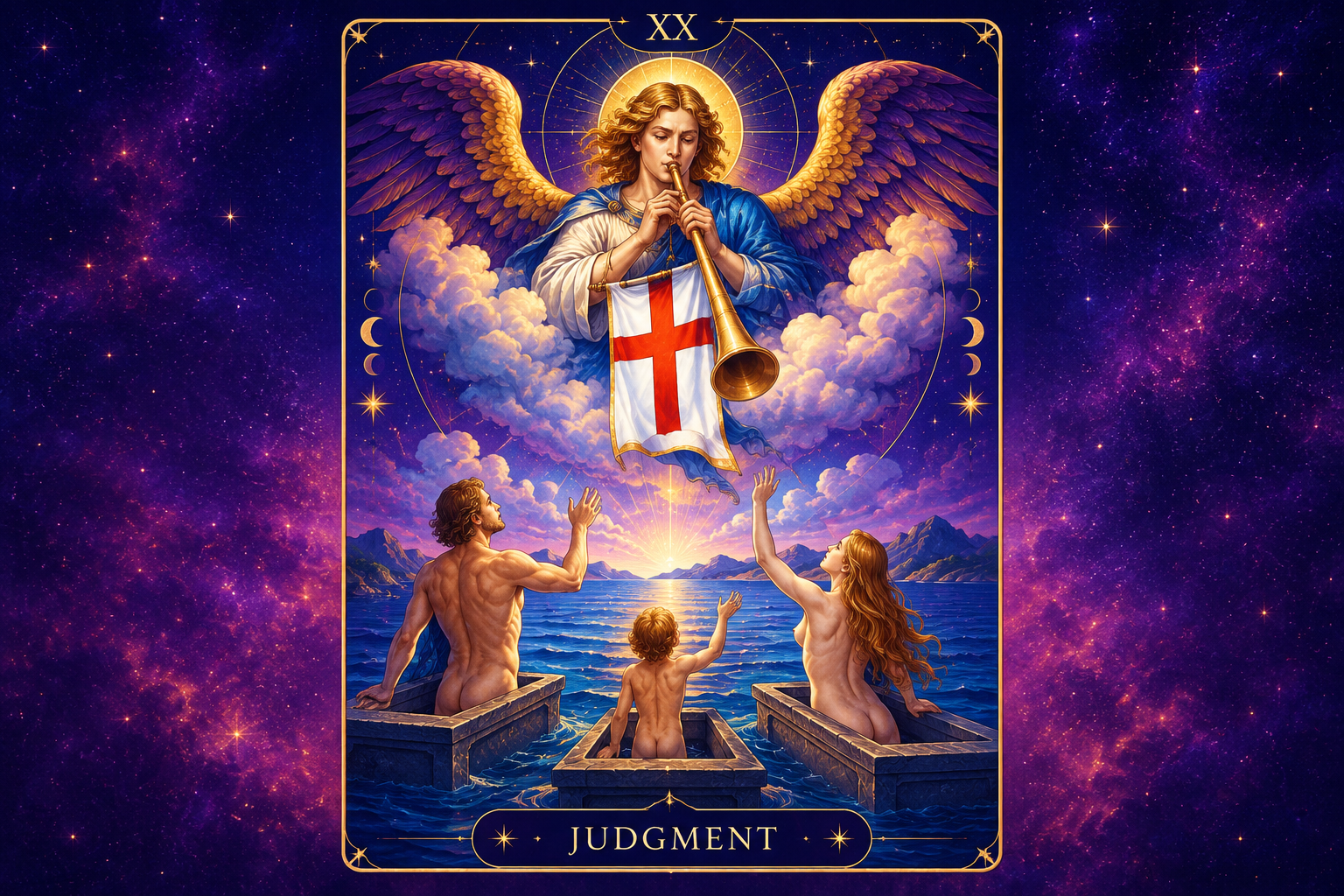
Judgement. Renewal, a calling, a verdict delivered. Usually a yes, but it is the yes of a reckoning: the past gets weighed first.
Seven of Cups. Seven overflowing cups on a cloud look like abundance. They are daydreams and options, not outcomes. Not a yes.
FAQ
What is the single most positive yes card in tarot?
The Sun. Waite’s note for the upright card is material happiness, fortunate marriage and contentment, and for the reversed card he wrote that it meant the same in a lesser sense. No other trump is that resistant to a negative reading.
Does a yes card reversed always mean no?
No. For most cards on this list a reversal means a delay, a diminished result or a condition attached. The exceptions are the Star reversed, which reads as lost hope, and the Ten of Cups reversed, which Waite associated with quarrelling and a troubled heart. For those two, treat the reversal as a no for the question as asked.
Is the Nine of Cups always a yes?
Upright, yes. It is the deck’s wish card and Waite’s list for it is almost entirely positive. The caveat is that it answers the wish you literally made, and the card has a streak of complacency. Reversed, expect the wish in a hollow or excessive form.
Which tarot cards mean yes in a love reading?
The Ace of Cups, Two of Cups, Ten of Cups, the Sun, the Star and the Empress are the ones to hope for. The Lovers is weaker than its name suggests because it is about a choice, and the Three of Cups reversed is a card many readers associate with a third party.
How many cards should I pull for a yes or no question?
One is enough for a quick answer. Three gives you a majority verdict and some texture about why. Pulling more than three for a single yes/no question usually means you did not like the first answer.
Is the Wheel of Fortune a yes?
Lean yes, with a caveat. Waite’s meanings for it are overwhelmingly fortunate, but the card’s subject is change you do not control, which is why some yes/no lists score it as a maybe. If it comes up, the odds are in your favour, and the result will not look exactly like your plan.